Get Started

Closing the sale is just the beginning; the client onboarding process is what makes or breaks a long-term client relationship. When an agency brings a new client onto one of its hosting plans, that initial experience sets the tone for everything that follows.
A clunky, confusing, or disorganized onboarding process can quickly erode the trust you worked so hard to build during the sales cycle, leading to client frustration, an increase in support requests, and a feeling of buyer’s remorse.
Conversely, a structured, transparent, and client-centric onboarding process does more than just get a project underway. It builds a foundation of confidence and professionalism. It’s the first, most tangible demonstration of your agency’s value and expertise.
By mastering the art of client onboarding, you can ensure a smooth transition, foster clear communication, and create a positive experience that leads to happier, more loyal clients. This guide provides a blueprint of key steps and best practices to help your agency deliver exceptional results from day one.
Why a smooth client onboarding process matters
A well-executed client onboarding process is a strategic investment in retention and operational efficiency. It’s not just an administrative checklist; it’s a critical business function with far-reaching benefits.
- It sets the tone for the relationship: First impressions are powerful. A professional, organized, and communicative onboarding experience immediately signals to the client that they have made the right choice.
- It reduces future support issues: By clearly setting expectations and educating clients about their hosting environment from the start, you can prevent common misunderstandings that lead to unnecessary support tickets down the line.
- It builds trust and confidence: A structured process demonstrates that your agency is competent, reliable, and has the client’s best interests at heart. This initial trust is the bedrock of a healthy, long-term partnership.
- It increases client retention: The link between onboarding and loyalty is undeniable. According to a survey by customer experience firm Wyzowl, 88% of people say they’d be more likely to stay loyal to a business that invests in a high-quality onboarding and education experience.
- It streamlines your operations: A standardized onboarding process saves your team countless hours. By creating checklists and templates, you eliminate the need to reinvent the wheel for every new client, leading to greater efficiency and profitability.
Key stages of client onboarding
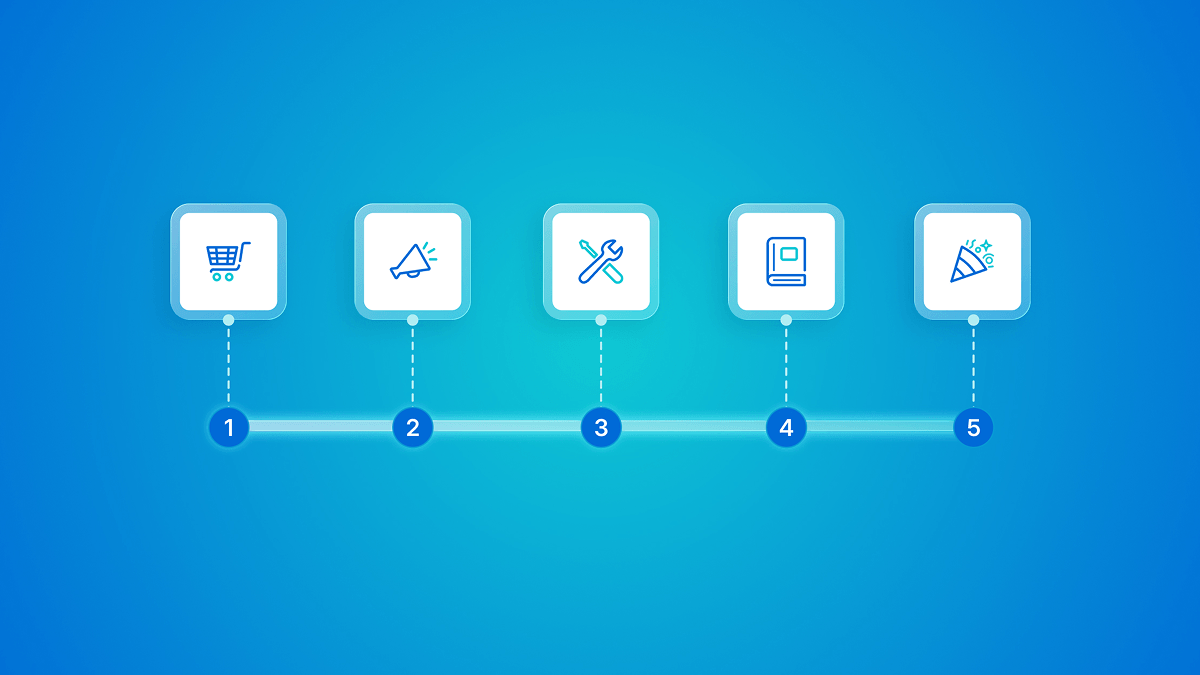
A successful onboarding process can be broken down into four distinct stages, moving from internal preparation to technical setup and long-term success.
Pre-onboarding: The hand-off from sales
The moment the contract is signed, the clock starts ticking. A smooth internal handoff is the first step to a successful client experience.
- Internal handoff: The sales team must transfer all relevant information to both the project and account management teams. This should be a formalized process, using a Customer Relationship Management (CRM) or project management tool to document the agreed-upon services, specific client needs, and any unique contractual terms agreed to.
- Prepare welcome materials: Before you even contact the client, have your onboarding toolkit ready. This includes automated welcome email campaigns, a client-facing onboarding checklist, and secure forms for gathering necessary information.
Stage 1: Initial communication and welcome
This is your first official interaction as the client’s new agency partner. The goal is to be proactive, professional, and clear.
- Send a welcome email: This email should confirm the services agreed to, introduce the client’s dedicated point of contact, provide a high-level overview of the onboarding process and timeline, and link to essential resources like your support portal or Service Level Agreement (SLA).
- Gather necessary access: You will likely need access to their current hosting, domain registrar, and Content Management System (CMS) logins to proceed. It is critical to handle this sensitive information securely. Instead of asking for credentials over email, use a secure method. As recommended by cybersecurity and business experts at CISA and the U.S. Chamber of Commerce, using a dedicated password manager is a best practice for securely sharing credentials.
Stage 2: Technical setup and migration
This is the core technical phase where you move the client onto your platform.
- Provision the site: Set up the client’s new hosting environment on your platform. If you’re using a platform like WP Engine, this is where you’ll create their new site instance within your agency’s centralized dashboard.
- Migrate the website: For existing sites, a seamless migration is key. Leverage tools that automate this process whenever possible. For example, WP Engine offers multiple migrations options enabling you to migrate a WordPressⓇ1 site with minimal manual effort. Throughout the process, keep the client informed of your progress.
- Test on a staging environment: Before pointing the domain to the new server, it is absolutely essential to test the migrated site on a staging environment. This allows you to catch and fix any issues related to plugins, themes, or functionality in a safe, private space. A platform with easy-to-use staging environments makes this process simple and risk-free.
- Update Domain Name System (DNS): Once you and the client have approved the staging site, it’s time to go live. Guide the client through the process of updating their domain’s DNS records to point to the new server.
Stage 3: Client education and empowerment
Once the site is live on your platform, your job shifts from technician to educator. Empowering your clients to understand their new environment builds confidence and reduces dependency.
- Provide a portal walkthrough: If your platform has a client-facing dashboard, schedule a brief call to walk them through it, showing them where they can view key information or submit support tickets.
- Explain the key features: Don’t just tell them they have managed hosting; explain what that means. Highlight the benefits of features like automated daily backups, proactive security scans, and performance optimizations like a Content Delivery Network (CDN). This reinforces the value of the service you’re providing.
- Clarify the support process: Make sure the client knows exactly how to get help, the expected response times (as outlined in your SLA), and what types of issues are covered under their plan.
Stage 4: Post-onboarding follow-up
The onboarding process isn’t truly over until you’ve confirmed the client is happy and settled.
- Schedule a check-in: A week or two after the site goes live, schedule a brief call or send a personal email to check in, ask if they have any questions, and ensure everything is running smoothly.
- Request feedback: Ask the client for feedback on the onboarding process itself. This demonstrates that you value their opinion and provides you with invaluable insights to continuously improve your operations. According to research from Bain & Company, companies that excel in customer experience have teams that actively solicit and act on customer feedback.
Best practices for seamless onboarding
- Create standardized checklists: Use internal and client-facing checklists to ensure no steps are missed and to provide clients with a clear roadmap.
- Automate where possible: Use tools to automate repetitive tasks like sending welcome emails, requesting access, and creating projects.
- Be proactive and transparent: Over-communicate at every stage. Inform clients of potential issues, like DNS propagation delays, before they happen.
- Designate a clear point of contact: The client should always know exactly who to turn to with questions during the onboarding process to avoid confusion.
Conclusion
A well-executed client onboarding process is a powerful investment in your agency’s future. It pays dividends in client satisfaction, long-term retention, and operational efficiency.
By creating a structured, communicative, and professional experience, you do more than just set up a hosting account. You build a foundation of trust that will support a long and profitable partnership.
Take the time to map out your current hosting onboarding process. Identify areas where you can add more clarity, automation, or proactive communication. By refining this critical first step, you can elevate your client service and position your agency for scalable success.
Ready to build your agency on a platform that simplifies client management? Explore the WP Engine Agency Partner Program to get the tools, support, and resources you need to grow your business.