Get Started

Key Takeaways
Modern news SEO focuses on technical site architecture and system performance. Ensuring high Core Web Vitals scores and 99.99% uptime is crucial for search visibility and audience capture.
Integrating behavioral data tools enhances reader engagement insights. Heatmaps and session recordings inform layout and content improvements for better search algorithm signals.
Unified media platforms automate technical SEO tasks, freeing resources for editorial growth. Transitioning from disconnected tools to a unified system boosts publishing speed and search visibility.
Site architecture impacts crawl budget for news organizations. Fragmented structures hinder indexing of important stories, emphasizing the need for a cohesive technical foundation.
Google Discover prioritizes stable, high-performance sites for inclusion. Technical excellence, especially during traffic surges, is key to success in Google Discover feeds.
In an industry reshaped by technological disruption and AI-driven search, news SEO is no longer just about choosing the right keywords. For modern media organizations, search success is now a product of the systems that support their content. Some publishers are in survival mode instead of growth mode, drowning in a fragmented patchwork of disconnected tools and siloed data, while the next generation of leaders is moving toward a unified modern media publishing platform.
Key takeaways
- Modern search engine optimization for news publishers has shifted from simple keyword density toward a focus on technical site architecture and system performance. Building a unified technical foundation ensures that search engine crawlers can index high volumes of content quickly before stories lose their immediate relevance to the news cycle.
- High visibility in personalized news feeds like Google Discover depends on maintaining high Core Web Vitals scores and consistent site stability during breaking news events. Infrastructure that guarantees 99.99% uptime during massive traffic spikes is now a primary requirement for capturing audience attention in a competitive digital landscape.
- Integrating behavioral data tools such as heatmaps and session recordings directly into the editorial process allows organizations to understand reader engagement beyond basic traffic counts. These insights help editors refine site layouts and content structures to improve dwell time and signal quality to search algorithms.
- Media organizations should audit their current digital infrastructure to identify where disconnected software tools are creating technical barriers to publishing speed and search visibility. Transitioning to a unified media operating system can help teams automate technical SEO tasks and focus resources on editorial growth.
Site architecture and editorial velocity
For high-volume news organizations, site architecture is a critical technical pillar that directly impacts crawl budget. If search engine crawlers are forced to navigate a fragmented patchwork of ad-hoc plugins and “sticky-taped” integrations, they may fail to index your most important stories before they lose relevance.
WP Engine Newsroom eliminates these technical bottlenecks to accelerate editorial velocity through:
- Structured content modeling: By utilizing ACF PRO, publishers can model their content structure to ensure data is organized and search-friendly.
- Live news: To capture the breaking news cycle, Newsroom provides a dedicated interface for delivering real-time, chronological updates. This allows chronological entries to be published instantly, signaling freshness to search engines.
- Simultaneous work areas: Unlike standard WordPressⓇ, Newsroom’s Editor Tabs allow for the separation of key functions. While a reporter writes the story, a media manager can attach assets, and an SEO specialist can edit metadata all at the same time, without versioning conflicts.
Cracking the code: Google Discover
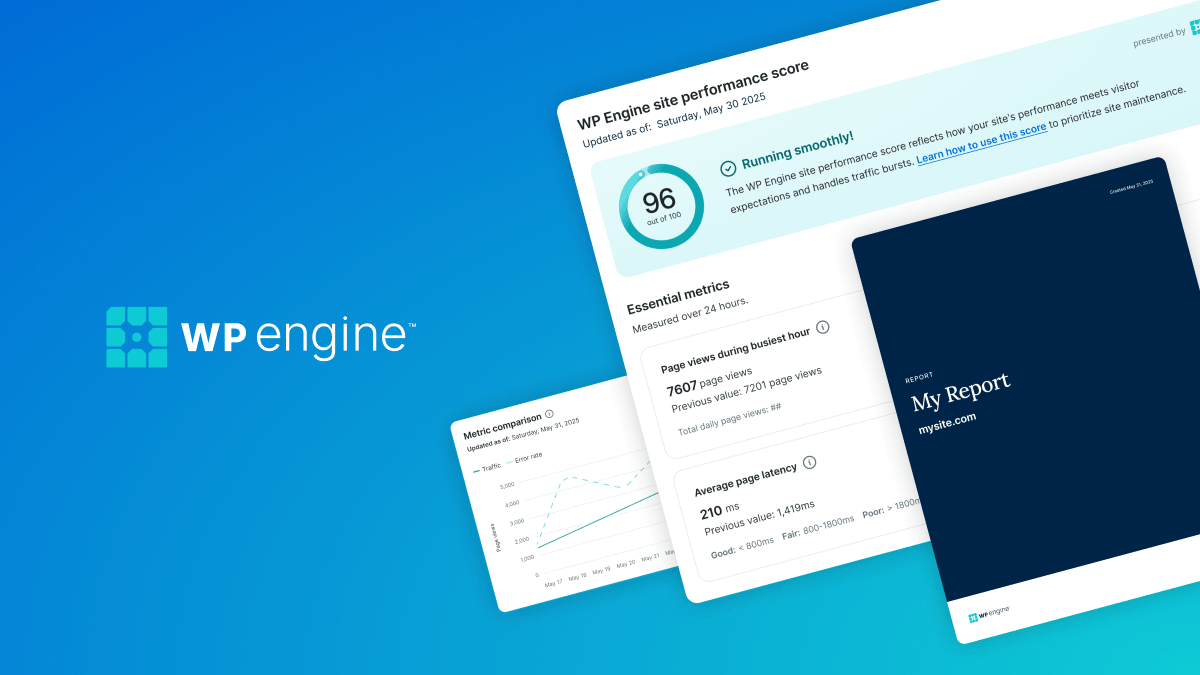
Eligibility for Google Discover in 2026 relies heavily on technical excellence, specifically in elements measured by Core Web Vitals. Google prioritizes sites that offer a stable, high-performance experience, especially during high-traffic events.
Performance as an SEO signal
A robust infrastructure is the foundation of Discover success. Newsroom runs on WP Engine’s enterprise-grade hosting platform, designed for 99.99% uptime during traffic surges. For a deeper look at maintaining performance under pressure, see The Editor’s Crisis Handbook: Handling Breaking News Without Breaking the Site.”
Visual storytelling & engagement
Google Discover thrives on rich, interactive content. Newsroom includes built-in blocks for interactive charts, polls, and quizzes. These tools increase reader engagement and dwell time, key signals that help trigger inclusion in Discover feeds.
Beyond keywords: Automating technical SEO
The days of relying on a fragile patchwork of SEO plugins are over. Modern publishers need a platform that automates technical foundations directly within the editorial workflow.
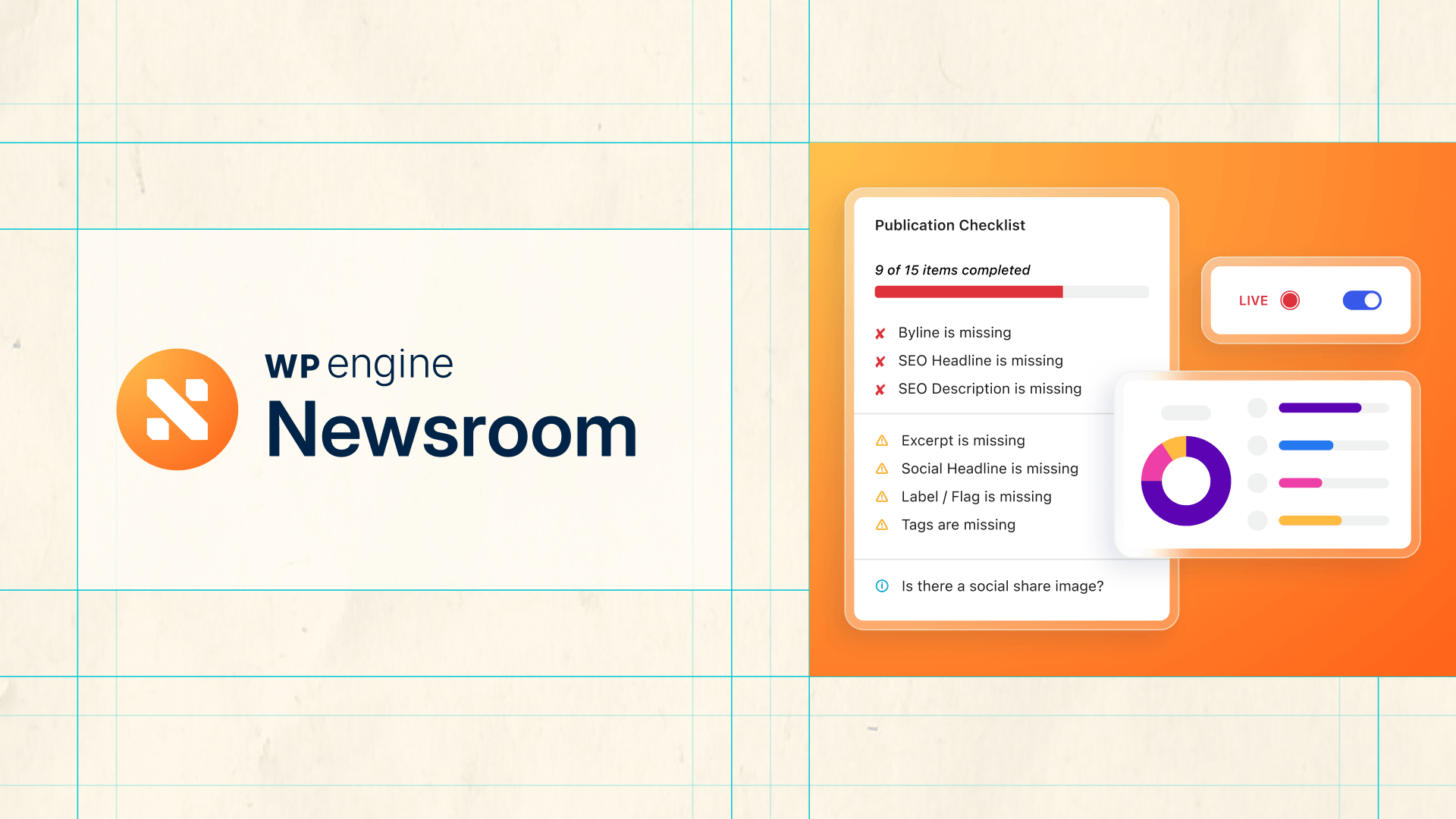
- Quality control: The customizable publication checklists ensure that every story meets strict brand and SEO standards before it can be published.
- Metadata management: Newsroom includes a dedicated interface for editing article-level metadata, ensuring that SEO tags are consistent and accurate.
- AI-driven search: WP Engine’s Smart Search AI and AI-enabled recommendations improve internal discoverability, helping search engines (and readers) find related content across your site architecture.
Audience intelligence: Data-driven growth
SEO helps you get visitors to your site, but understanding their behavior once they arrive is what keeps them there. Newsroom provides integrated audience intelligence through TWIPLA, offering native insights on content performance and reader behavior directly within the platform.
By utilizing these integrated analytics, publishers can optimize their editorial strategy and extract insights to inform future production. This integrated data allows for a deep dive into how readers interact with your site:
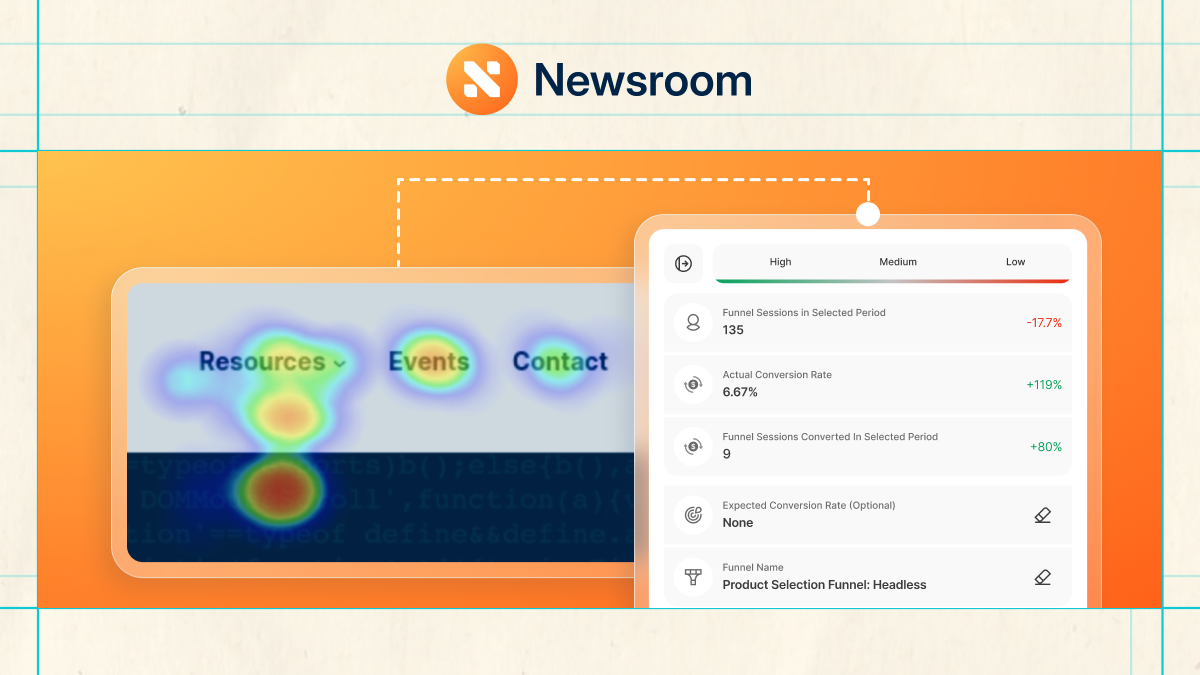
- Visitor insights: Use heatmaps, scroll tracking, session recordings, and custom funnel reports to gather rich data on how readers navigate your site.
- Traffic and channel tracking: Track how all your digital channels are performing and get a visitor-by-visitor view of traffic trends over time.
- Advanced analytics: Analyze traffic by device type, operating system, and browser, or use company reveal tools to match website visitors to their business networks.
Publishers can run heatmaps, scroll tracking, and session recordings to identify how readers engage with different content formats. These real-time insights allow editors to optimize layouts for better search visibility and engagement, finally moving beyond vanity metrics to truly understand how their audience consumes content.
From patchwork to platform
Successful SEO today needs more than keywords. It needs a unified foundation for modern media growth. By moving away from “stitched-together” technology and adopting a purpose-built, unified platform, media organizations can stop reacting to algorithm changes and start leading the pack. It’s time to replace operational toil with the agility required to compete in a landscape that is being consistently reshaped by technological disruption.
Stop treating SEO as a keyword problem and start treating it as a systems opportunity by adopting the new publishing standard in the AI era.
Modern search success requires a technical foundation that removes operational toil. Explore how Newsroom provides the unified architecture your team needs to dominate Google Discover and beyond.